Shoulder Bursitis
Shoulder Bursitis Treatment in Perth
Subacromial bursitis is one of the most common causes of shoulder pain — a painful arc of movement, difficulty reaching overhead, and often significant pain at night when lying on the affected side. It frequently co-exists with rotator cuff tendinopathy, which is why accurate diagnosis matters before treatment begins.
A skilled assessment can distinguish bursitis from a rotator cuff tear, frozen shoulder, and AC joint pathology — conditions that look similar but are managed differently. In most cases this is straightforward clinically, without imaging. When we need to confirm a diagnosis or rule out a tear, we can refer you directly for ultrasound or MRI without needing a GP referral first.
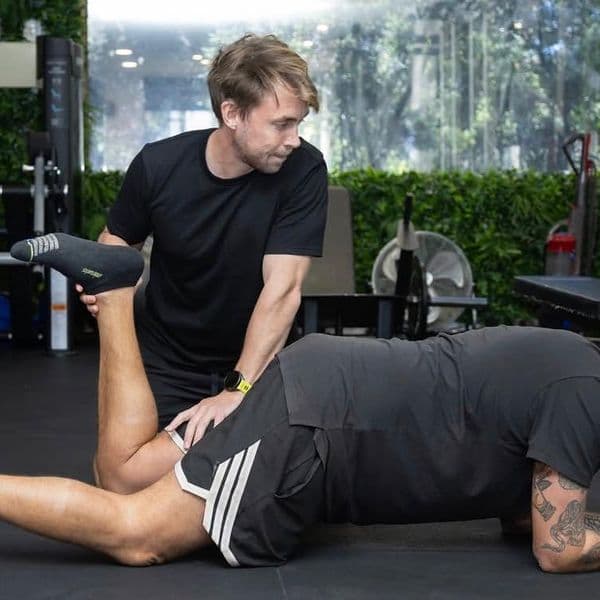
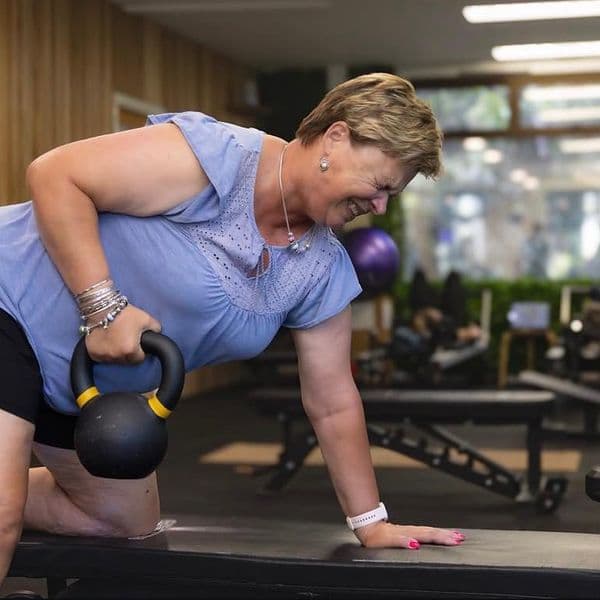
Shoulder bursitis responds very well to physiotherapy when the underlying cause is addressed. Treatment focuses on reducing compression in the joint, restoring pain-free movement, and progressively strengthening the rotator cuff so the shoulder can do its job properly.
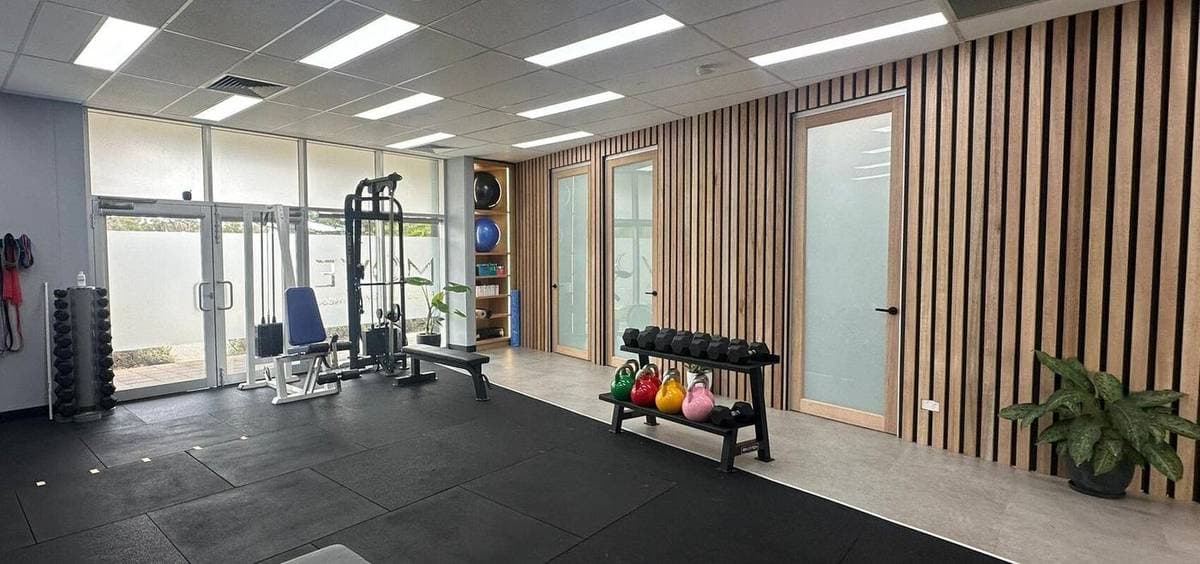
We see shoulder bursitis patients across our four Perth clinics: Beeliar, Booragoon, East Fremantle, and Jandakot. No referral is needed to book.

Technology-Based
Injury Assessment
Included gap-free with every initial assessment.
Move Physiotherapy uses VALD force measurement technology — the same systems used by AFL, NRL and Olympic programs — to objectively measure your strength, symmetry and recovery. This means your physiotherapist can track your progress with clinical precision, making data-driven decisions at every stage of your rehabilitation rather than relying on subjective estimates.
Rotator cuff weakness and strength asymmetry between sides are primary drivers of subacromial compression. VALD force plate testing lets us objectively measure these deficits, compare left to right, and track how your shoulder strength changes through the course of treatment.
Learn more about VALD technology →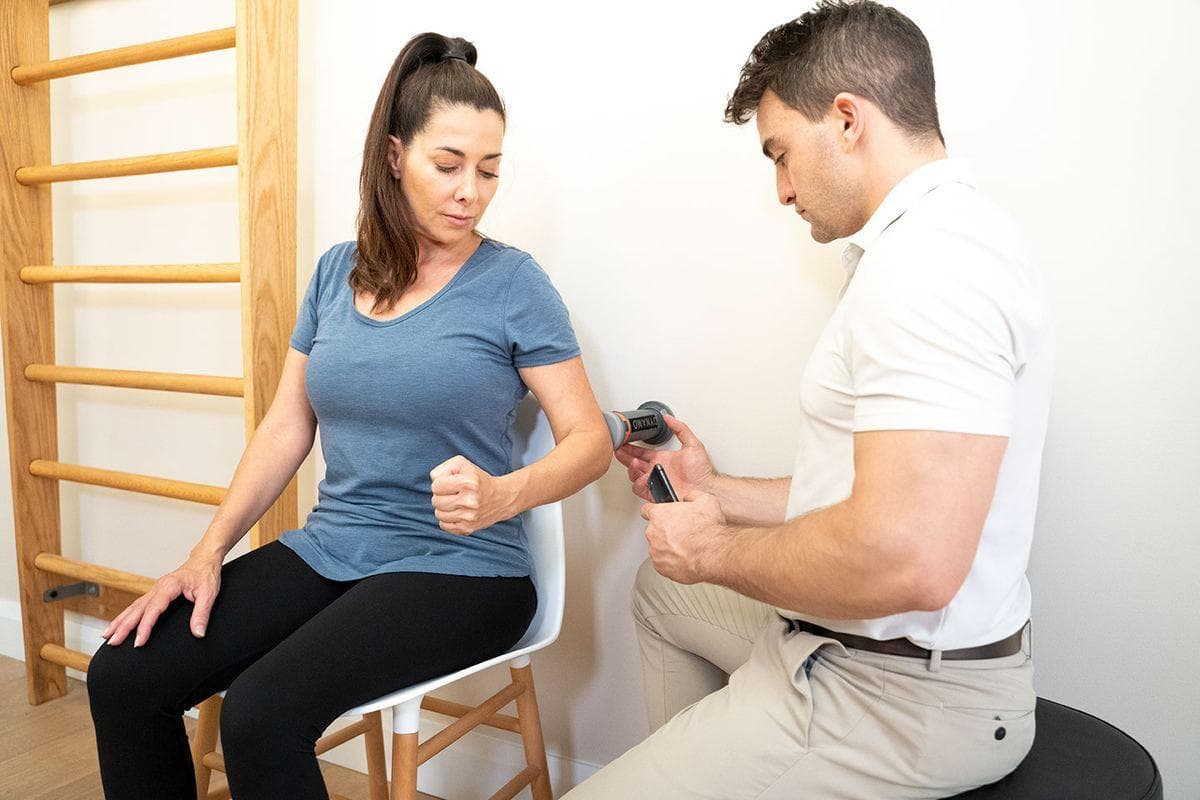
Gap-free with every initial assessment
Technology-based assessment is included as standard — no additional out-of-pocket cost.
Our Approach
The Move Process
Find Us
Four Perth clinics
Early morning, evening and Saturday appointments available. No referral needed.
Ready to get moving?
Beeliar, Booragoon, East Fremantle and Jandakot — early morning, evening and Saturday appointments available.