HomeAbout
Services
General PhysiotherapySports PhysiotherapyExercise RehabilitationDry NeedlingRemedial Massage
FeesContact
Book OnlineCall 08 6113 8062
Osteoporosis
★★★★★4.9 · 434 Google Reviews

Osteoporosis Management in Perth

Exercise is the most effective non-pharmacological intervention for osteoporosis. We design programmes that build bone density safely.

Osteoporosis

Osteoporosis Management in Perth

Osteoporosis is a systemic skeletal disease characterised by low bone mass and microarchitectural deterioration, resulting in increased fracture risk. It affects approximately 1.2 million Australians, with one in three women and one in five men over 50 experiencing an osteoporotic fracture in their lifetime.

The most important message: osteoporosis is not an inevitable consequence of ageing, and it is treatable. Exercise — specifically progressive resistance training and high-impact loading — is the most effective non-pharmacological intervention for improving bone density and reducing fracture risk. <sup>[1]</sup>

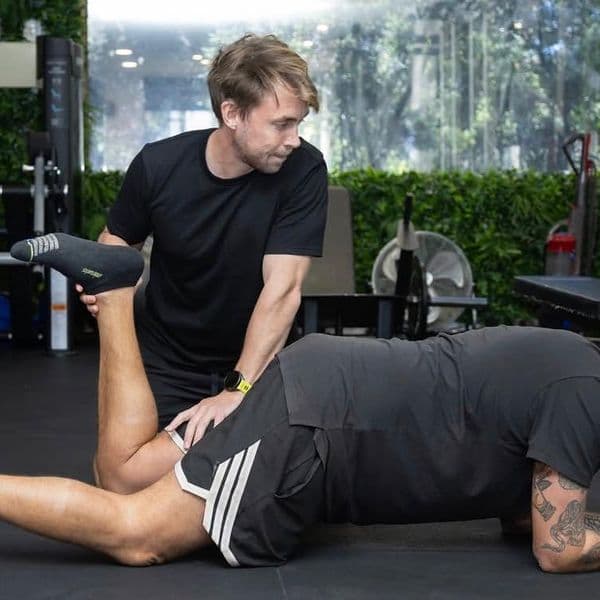
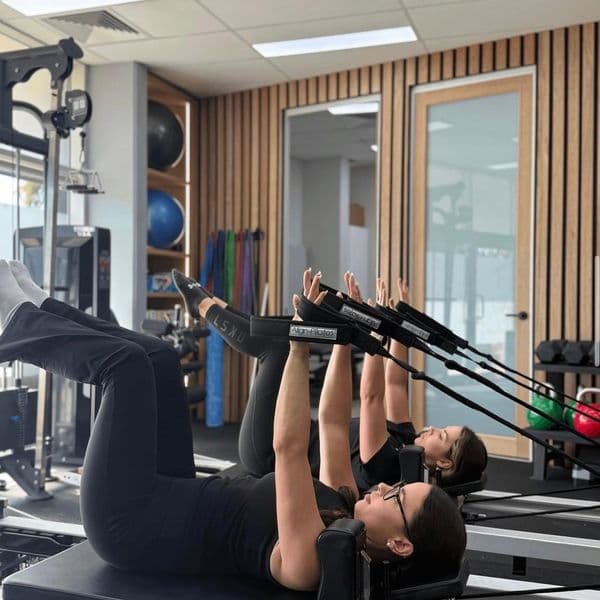
At Move Physiotherapy, we design safe, progressive, bone-loading exercise programmes for people with osteoporosis and osteopenia — backed by VALD strength testing to ensure objective progression and safety.

🛡️
Satisfaction Guarantee
Have we met your expectations? If not, we will refund your out-of-pocket expense — no questions asked.
Osteoporosis
Osteoporosis
🛡️
Satisfaction Guarantee
Have we met your expectations? If not, we will refund your out-of-pocket expense — no questions asked.

Causes

Risk Factors for Osteoporosis

Female sex and post-menopausal oestrogen withdrawal
Advanced age
Low body weight or BMI
Insufficient calcium and vitamin D intake
Sedentary lifestyle — insufficient bone loading
Long-term corticosteroid use
Smoking and excess alcohol consumption
Coeliac disease and other malabsorption conditions
Rheumatoid arthritis and other inflammatory conditions
Family history of osteoporosis or hip fracture

Our Approach

The Move Process

01
Risk Assessment
Evaluate your DEXA results, FRAX fracture risk score, balance and fall risk, and current exercise capacity to design a safe, appropriately challenging programme.
02
Baseline Strength Testing
VALD dynamometry to quantify quadriceps and grip strength — key longevity markers and predictors of fall risk — establishing a baseline for objective progression.
03
Bone Loading Programme
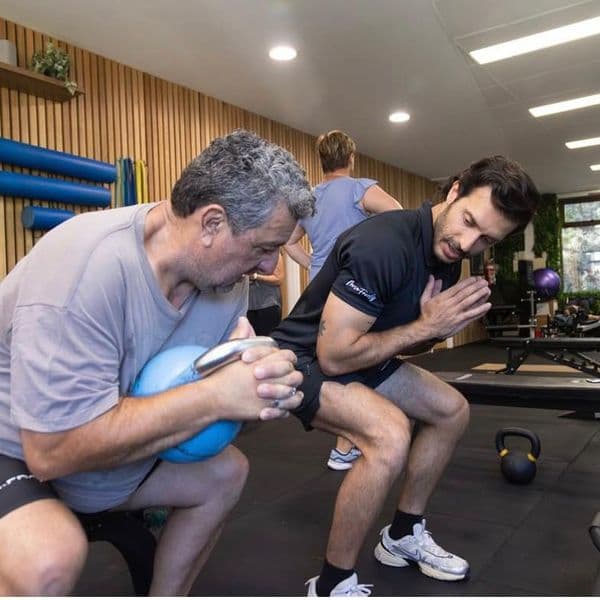
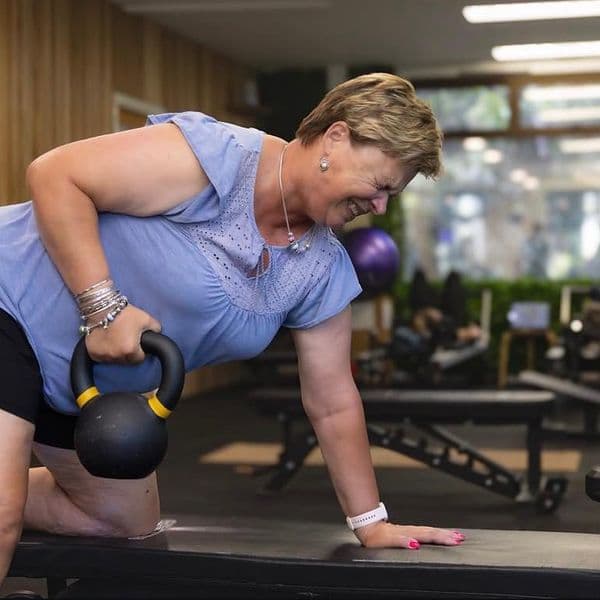
Progressive resistance training and impact exercise (appropriate to fracture risk) designed to produce osteogenic strain at the spine and hip — the most clinically important sites.
04
Falls Prevention
Balance training, gait work, home hazard advice, and functional strength — addressing the behavioural and physical risk factors for falls that cause osteoporotic fractures.

Why Move Physiotherapy

What sets us apart

Longevity Programs
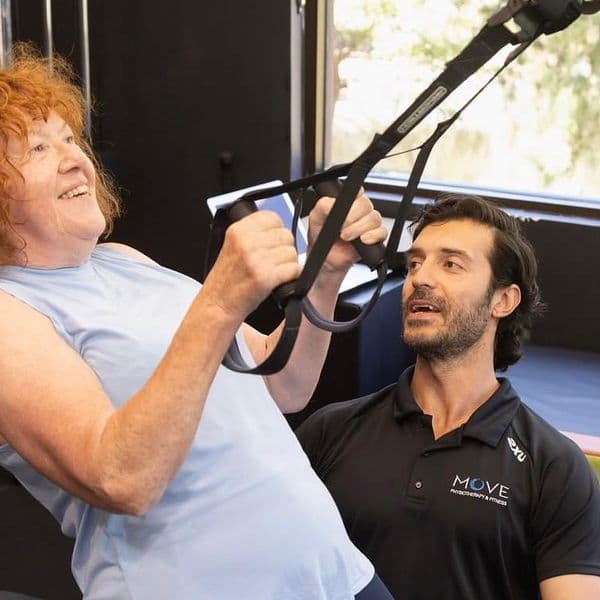
Our Longevity Programs at East Fremantle are specifically designed for bone health — combining physiotherapist-supervised strength training with VALD objective testing.
Safe Progression
We understand which movements are contraindicated in osteoporosis and design programmes that maximise bone stimulus while minimising fracture risk.
Satisfaction Guarantee
Have we met your expectations? If not, we will refund your out-of-pocket expense — no questions asked.

Common Questions

Frequently Asked Questions

Can exercise really improve bone density?+
Yes — progressive resistance training and high-impact exercise can produce measurable increases in bone mineral density, particularly at the spine and hip. The LIFTMOR trial demonstrated that high-intensity resistance training in postmenopausal women with low BMD produced significant BMD improvements at both sites, with no adverse events. The key is progressive overload.
What exercises should I avoid with osteoporosis?+
Exercises involving sustained spinal flexion under load (e.g. crunches, rowing machines in a forward-bent position) increase vertebral compression fracture risk and should be avoided or significantly modified. High-speed rotational movements should be approached with caution in high-risk individuals. Your physiotherapist will advise based on your individual fracture risk score.
Is walking enough to help with osteoporosis?+
Walking is beneficial for general health and falls prevention, but does not produce sufficient mechanical strain on the spine and hip to drive significant bone adaptation. Higher-impact activities and resistance training are more osteogenic. For people with moderate-to-high fracture risk, a supervised exercise programme provides a safe, evidence-based environment for bone-loading exercise.
Do I need medication as well as exercise?+
Anti-resorptive medication and exercise are complementary — not mutually exclusive. For severe osteoporosis or high fracture risk, medication is often recommended alongside exercise. For osteopenia or mild osteoporosis, exercise and lifestyle modification may be sufficient. This decision should be made with your GP or endocrinologist.
How often should I exercise for bone health?+
Current evidence supports resistance training 2-3 times per week and impact exercise 3-5 times per week for optimal bone health. Progressive overload — increasing resistance over time — is essential; maintaining the same load produces minimal ongoing benefit.

Ready to get moving?

Beeliar, Booragoon and East Fremantle -- early morning, evening and Saturday appointments available.