HomeAbout
Services
General PhysiotherapySports PhysiotherapyExercise RehabilitationDry NeedlingRemedial MassageMedicare / EPCWorkCover & ICWADVA Physiotherapy
ConditionsFeesContact
Book OnlineCall 08 6113 8062
★★★★★4.9 · 381 Google Reviews

Back Pain Treatment in Perth

From sudden sharp pain to long-standing stiffness -- our physiotherapists get to the root cause and build a plan that actually works.

Back Pain

Back Pain Treatment in Perth

Back pain is one of the most common conditions we see at Move Physiotherapy, and also one of the most mismanaged. Too often, people are told to rest and wait it out -- or given passive treatment that provides short-term relief without addressing why the pain occurred in the first place.

Whether you're dealing with acute back pain from a sudden injury, a recurring issue that flares up regularly, or long-standing stiffness that has been limiting your activity for years, our approach is the same: identify the root cause and treat it. Common presentations include sharp or aching lower back pain, stiffness on waking, pain with prolonged sitting or standing, pain that radiates into the buttocks or legs, and discomfort with bending, lifting, or twisting.

Our physiotherapists will assess your full movement picture -- including the strength of the muscles surrounding and supporting the lumbar spine -- identify the contributing factors, and build a plan that combines hands-on treatment with progressive rehabilitation. The goal is not just to get you out of pain, but to build the resilience your back needs to stay that way.

Back Pain
Back Pain
VALD · AxIT Systems

Technology-Based
Injury Assessment

Included gap-free with every initial assessment.

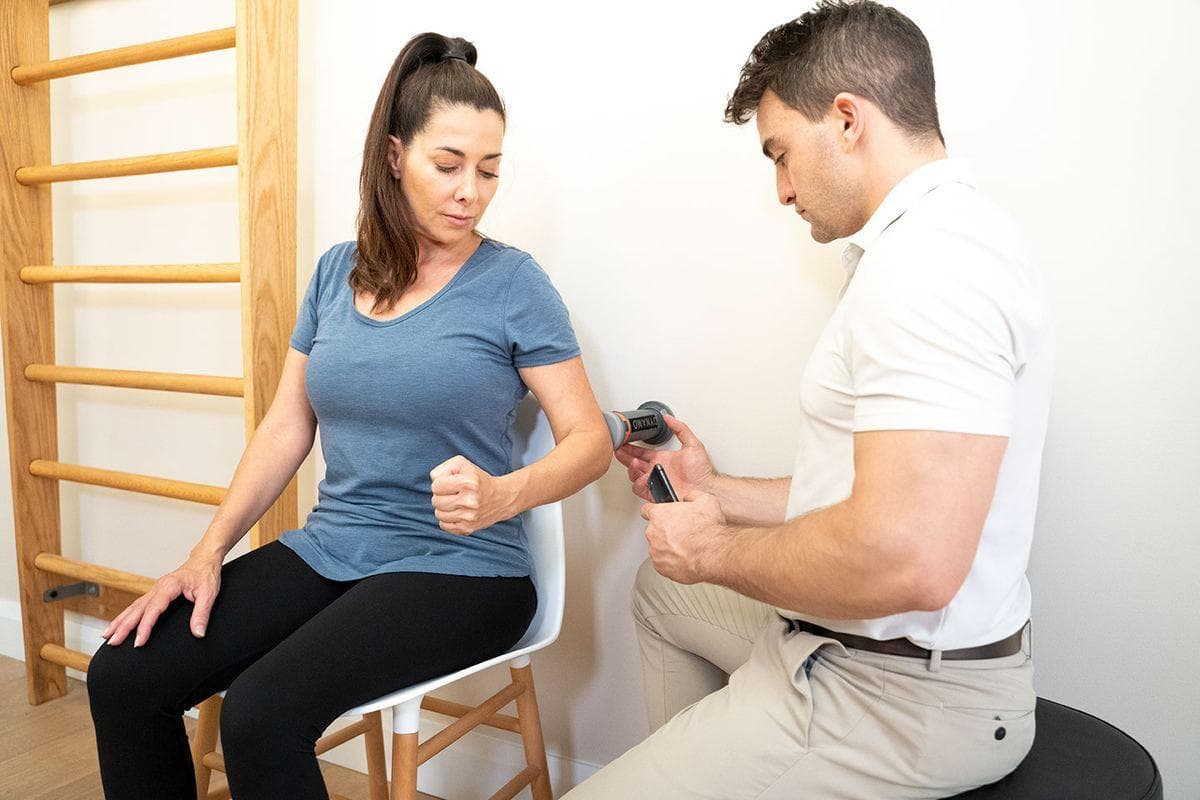
Move Physiotherapy uses VALD and AxIT force measurement technology — the same systems used by AFL, NRL and Olympic programs — to objectively measure your strength, symmetry and recovery. This means your physiotherapist can track your progress with clinical precision, making data-driven decisions at every stage of your rehabilitation rather than relying on subjective estimates.

📊
Limb Symmetry Index (LSI)
Track strength symmetry between limbs objectively — the key metric for safe return to activity.
🏋️
Force Plate Testing
Measure landing mechanics, single-leg stability, and explosive power with real data.
Objective Stage Gates
Technology removes subjectivity from progression decisions — you advance when the numbers confirm readiness.
VALD technology assessment at Move Physiotherapy

Gap-free with every initial assessment

Technology-based assessment is included as standard — no additional out-of-pocket cost.

Causes

Common Causes of Back Pain

Muscle or ligament strain from a sudden movement or overload
Disc injuries -- bulge, prolapse, or herniation
Lumbar facet joint dysfunction or degeneration
Poor posture and sustained loading positions
Gluteal, hamstring, and core muscle weakness
Osteoarthritis of the lumbar spine
Sciatica -- nerve root irritation or compression
Sedentary lifestyle and deconditioning
Workplace ergonomic factors -- prolonged sitting, bending, or lifting
Stress and psychological load amplifying pain sensitivity

Our Approach

The Move Process

01
Thorough Assessment
We assess your movement, posture, strength -- including glutes and hamstrings -- and neural function to accurately identify the source of your back pain and what is driving it.
02
Hands-On Treatment
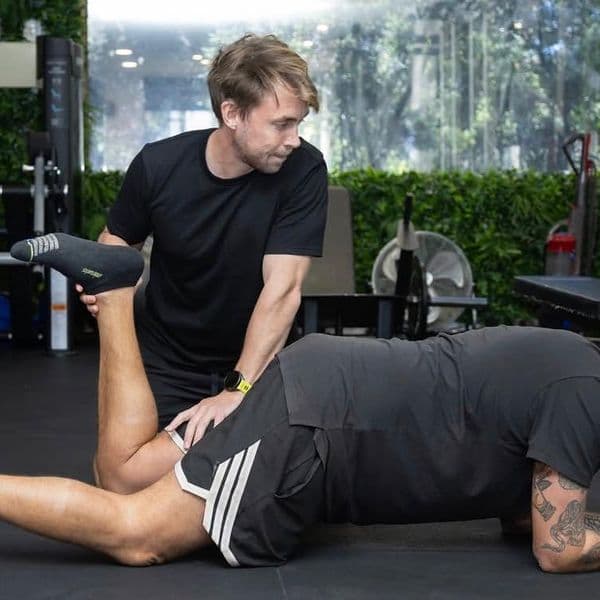
Joint mobilisation, soft tissue therapy, and dry needling to reduce pain and restore movement. Effective manual therapy creates the window for rehabilitation to work.
03
Movement & Load Education
Understanding what aggravates your back, how to move well under load, and how to manage flare-ups independently is an essential part of lasting recovery.
04
Strengthening Rehabilitation
Progressive exercise targeting the glutes, hamstrings, and trunk stabilisers -- the muscles that protect your lumbar spine. Programs are tailored to your specific deficits and progressed systematically.

Why Move Physiotherapy

What sets us apart

Root Cause Focus
We don't just treat the pain -- we identify why it happened. Whether it's joint stiffness, disc irritation, muscular weakness, or movement dysfunction, your treatment targets the driver -- not just the symptom.
Manual Therapy & Exercise Combined
The best outcomes for back pain come from combining hands-on treatment with progressive exercise -- not passive treatment alone. Every treatment plan at Move includes both, from the first session.
VALD Strength Testing
We objectively measure the gluteal, hamstring, and hip strength deficits that commonly drive lower back pain. This gives us a precise baseline and allows us to confirm your strength is improving at each stage.
Private Gym Facilities
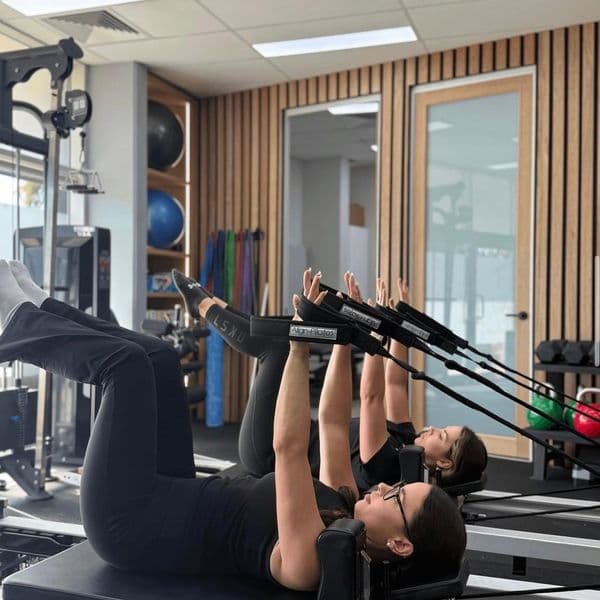
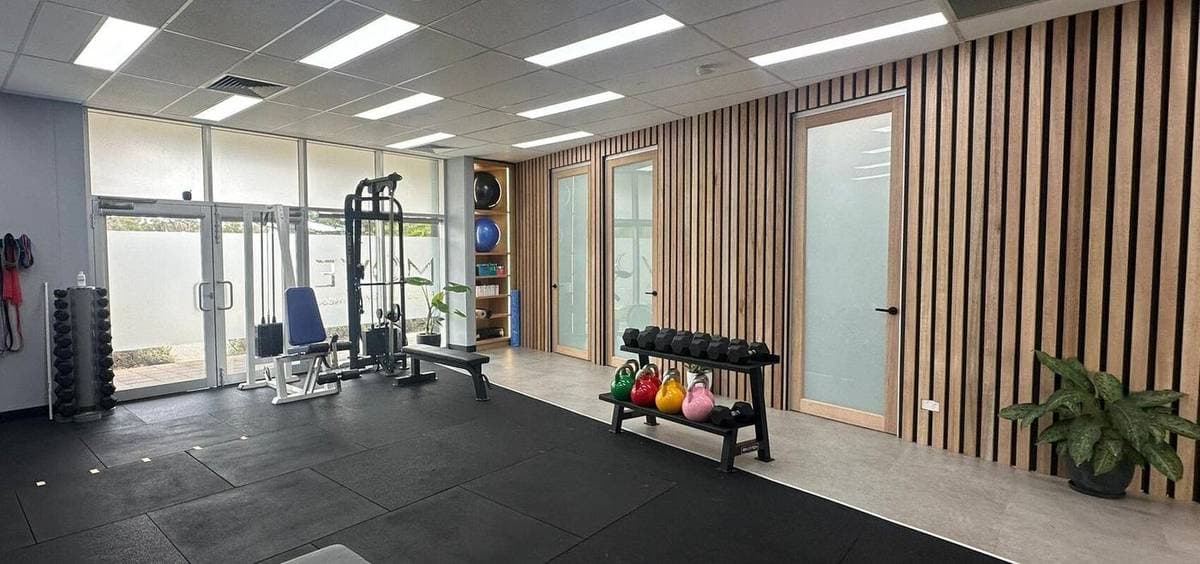
Exercise rehabilitation is a core part of back pain recovery. All three clinics have fully equipped private gyms, allowing us to progress your strengthening in a supervised, structured environment.
Disc Injury Expertise
Disc bulges, prolapses, and sciatica are complex presentations requiring accurate diagnosis and structured rehabilitation. Our team has extensive experience managing these conditions conservatively and alongside surgical teams.
Chronic Back Pain Programs
For recurrent or longstanding back pain, we develop structured programs addressing not only the physical drivers but also load tolerance, movement confidence, and progressive return to full activity.
Dry Needling
Trigger point dry needling of the lumbar erectors, gluteals, and piriformis can significantly reduce pain and muscle guarding -- particularly useful in the early stages when muscle spasm is limiting movement and rehabilitation.
Satisfaction Guarantee
Not satisfied after your first appointment? We'll refund you in full, no questions asked. We back the quality of our assessments completely.

Common Questions

Frequently Asked Questions

Should I rest or keep moving with back pain?+
For the vast majority of back pain, staying gently active produces better outcomes than bed rest. The evidence is clear: prolonged rest leads to deconditioning, increased fear of movement, and slower recovery. The key is appropriate activity -- not avoidance, but also not pushing through severe pain. Your physiotherapist will guide you on exactly what activities are appropriate for your presentation, and will progressively increase load as your back responds. Complete rest is rarely necessary and is only advised in very specific circumstances such as acute nerve compression with severe neurological deficit.
Do I need a scan before seeing a physio?+
In most cases, no. A skilled physiotherapist can accurately diagnose and begin treating back pain without imaging. Research shows that MRI and X-ray findings often do not correlate with symptoms -- the majority of people over 40 have disc degeneration or bulges on MRI without any back pain. Unnecessary imaging can also increase anxiety and nocebo effects, potentially worsening outcomes. Imaging is warranted when there are specific red flags -- unexplained weight loss, fever, history of cancer, severe progressive neurological deficit, or trauma. Your physiotherapist will screen for these and recommend imaging when clinically indicated.
How long does back pain take to recover?+
Acute non-specific back pain typically improves significantly within 4-6 weeks with appropriate physiotherapy management. The concerning reality, however, is that a substantial proportion of people with acute back pain -- around 60-80% -- experience recurrence within 12 months, particularly without addressing the underlying drivers. This is why structured rehabilitation addressing movement quality, strength, and load tolerance is so important, even after pain resolves. Chronic back pain (lasting more than 3 months) requires a longer program but still responds well to physiotherapy in the large majority of cases.
Can physiotherapy help with disc injuries?+
Yes. The majority of disc bulges, prolapses, and herniations respond well to physiotherapy-guided rehabilitation without surgery. Discs have a natural capacity to resorb over time -- particularly large extrusions -- and the inflammatory process around the nerve typically settles with appropriate management. Physiotherapy focuses on reducing nerve irritation, restoring movement, managing load on the disc, and progressively rebuilding the strength that protects the spine. Surgery is considered only when conservative management has been genuinely exhausted, or when there is a serious progressive neurological deficit such as foot drop or bowel/bladder involvement.
What is the difference between back pain and sciatica?+
Back pain refers broadly to pain in the lumbar region. Sciatica describes a specific pattern: pain, tingling, numbness, or weakness that travels from the lower back into the buttock and down the back of the leg, following the path of the sciatic nerve. Sciatica is a symptom -- not a diagnosis -- and can arise from several causes including disc herniation, joint irritation, piriformis syndrome, or spinal stenosis. The distinction matters because the treatment differs depending on the source. A physiotherapy assessment identifies whether neural tissue is genuinely involved and determines the specific driver, which guides both treatment approach and expected timeline.
Should I see a physiotherapist or a GP first for back pain?+
Either pathway is appropriate, and physiotherapists are specifically trained to screen for conditions requiring medical investigation. If you have back pain without red flags (unexplained weight loss, fever, trauma, or severe neurological symptoms), seeing a physiotherapist directly is efficient and cost-effective. Your physiotherapist will refer you to a GP, specialist, or for imaging if the assessment reveals anything that warrants it. If you are on a Medicare care plan or WorkCover, a GP referral may be required to access subsidised sessions.

Ready to get moving?

Beeliar, Booragoon and East Fremantle -- early morning, evening and Saturday appointments available.