Sciatica
Sciatica Treatment in Perth
Sciatica describes pain, tingling, or numbness that travels along the path of the sciatic nerve — typically from the lower back through the buttock and down the back of the leg. It may extend below the knee and into the foot, and is often accompanied by sharp or burning pain that worsens with sitting, coughing, or sneezing.
At Move Physiotherapy, we don't treat sciatica as a diagnosis — we treat the cause. A skilled assessment lets us identify whether the nerve is being compressed at the lumbar disc, the facet joint, or in the buttock by the piriformis muscle. This distinction matters, because the cause determines the treatment. In most cases we can reach a confident diagnosis without imaging. When it is needed — because symptoms are severe, not improving, or a red flag warrants investigation — we can refer you directly for X-ray or MRI without you needing to see a GP first.
In some cases, significant improvement in symptoms can be experienced within weeks. Even in severe cases, the majority of sciatic pain completely resolves. A skilled assessment is essential if you are experiencing sciatic pain.
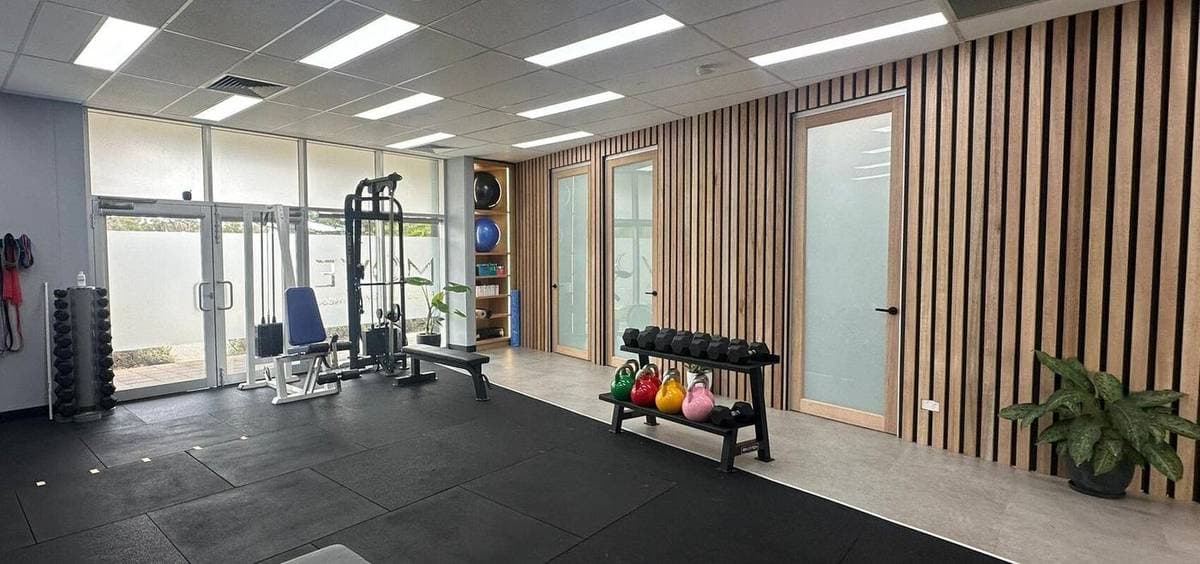
We see sciatica patients across our four Perth clinics: Beeliar, Booragoon, East Fremantle, and Jandakot. No referral is needed to book.

Technology-Based
Injury Assessment
Included gap-free with every initial assessment.
Move Physiotherapy uses VALD force measurement technology — the same systems used by AFL, NRL and Olympic programs — to objectively measure your strength, symmetry and recovery. This means your physiotherapist can track your progress with clinical precision, making data-driven decisions at every stage of your rehabilitation rather than relying on subjective estimates.
For sciatica, strength deficits in the gluteals, hamstrings and lumbar stabilisers are commonly associated with increased load on the lumbar discs and nerve roots. VALD testing lets us measure these precisely, identify asymmetries between sides, and track your recovery objectively rather than relying on symptom reports alone.
Learn more about VALD technology →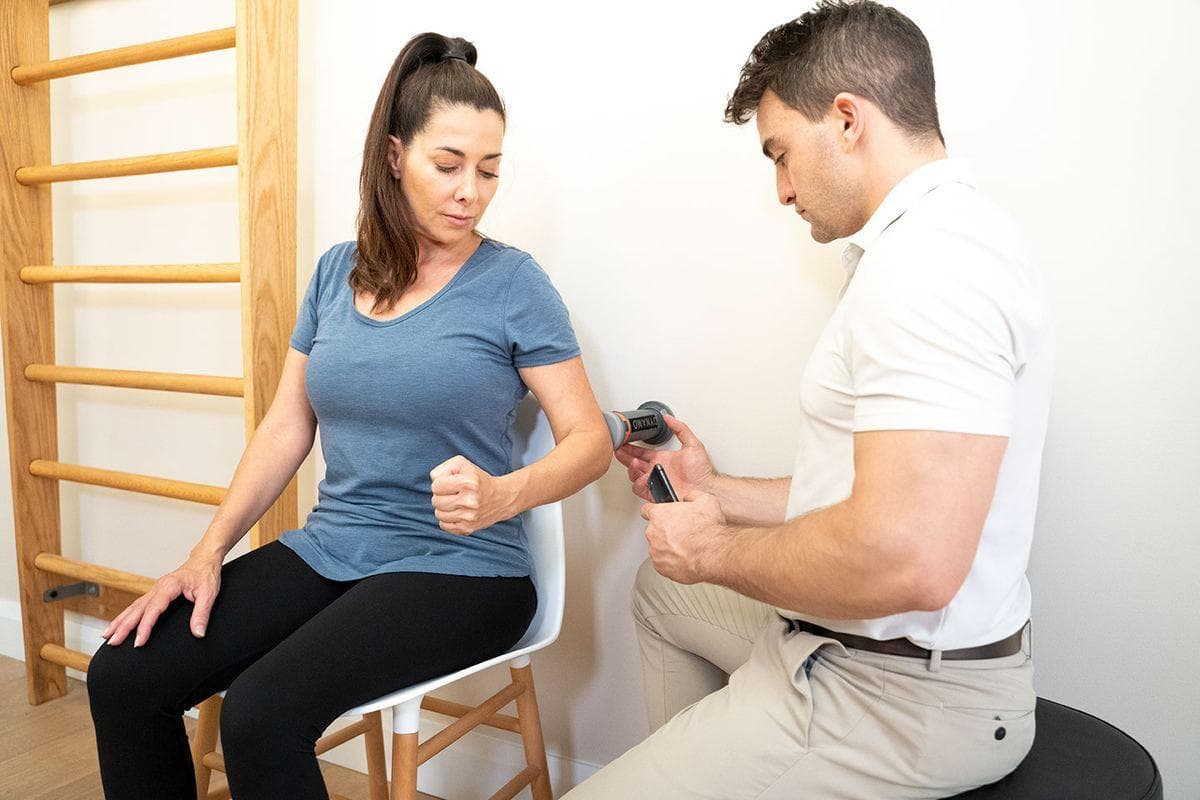
Gap-free with every initial assessment
Technology-based assessment is included as standard — no additional out-of-pocket cost.



Our Approach
The Move Process
Find Us
Four Perth clinics
Early morning, evening and Saturday appointments available. No referral needed.
Ready to get moving?
Beeliar, Booragoon, East Fremantle and Jandakot — early morning, evening and Saturday appointments available.