
HomeAbout
Services
General PhysiotherapySports PhysiotherapyExercise RehabilitationDry NeedlingRemedial Massage
BlogFeesContact
Book OnlineCall 08 6113 8062
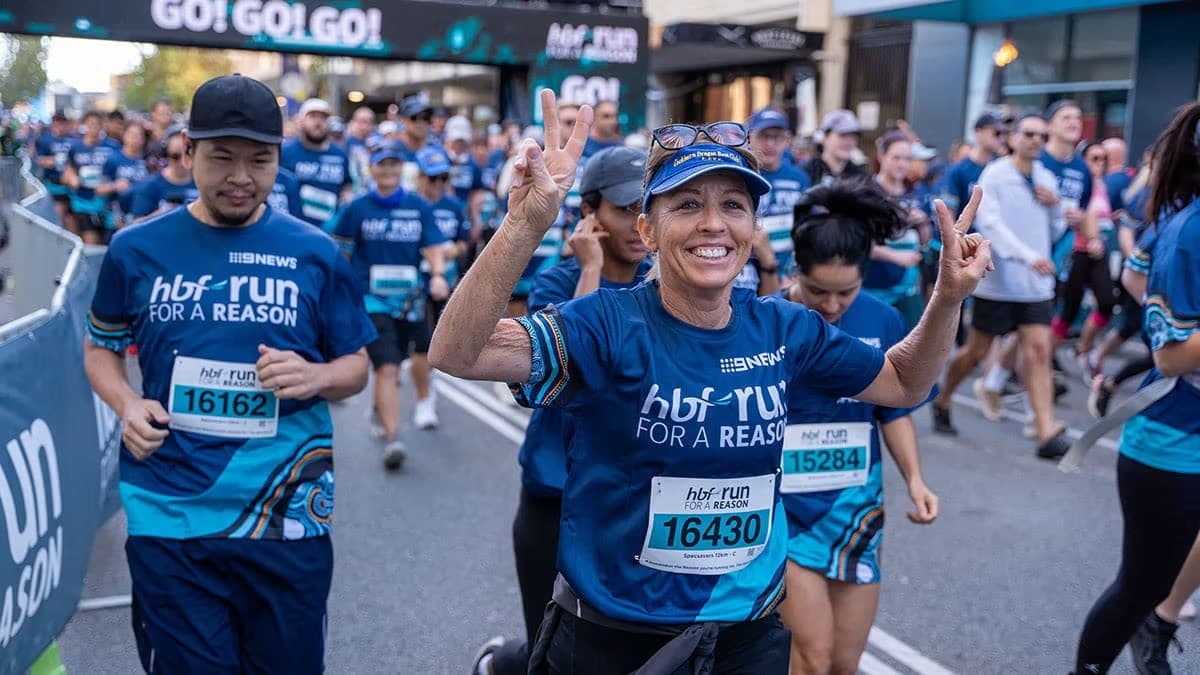
HBF Run for a Reason — runner's knee and patellofemoral pain
Runner's KneeKnee PainRunning

Runner's Knee: A Deep Dive into the Causes, Short-Term Relief, and the Real Fix

Daniel Ryan
Daniel Ryan
Senior Physiotherapist · Founder, Move Physiotherapy
7 May 2026 · 12 min read

"Runner's knee" is one of the most common presenting complaints in running physio — and one of the most mismanaged. Not because the condition is complex, but because the label is used loosely, the causes are multiple, and too much treatment addresses the symptom rather than what produced it.

This article covers where runner's knee is actually located, what is happening at the tissue level, the many factors that contribute to it, how to reduce pain enough to keep running in the short term, and what actually fixes it over time. This is a longer read — because the condition deserves a proper explanation, not a three-point list.

What is runner's knee — and where exactly is it?

The term "runner's knee" most commonly refers to patellofemoral pain syndrome (PFPS) — pain arising from the joint between the kneecap (patella) and the groove on the front of the femur that the kneecap slides through during knee flexion and extension.1 The pain is typically felt at the front of the knee — around, behind, or underneath the kneecap — and is reproduced by activities that load the knee in flexion: running, descending stairs, squatting, and prolonged sitting with the knee bent (the so-called "theatre sign").

Sometimes the term runner's knee is also applied to IT band syndrome, which produces pain on the outer (lateral) side of the knee and has different mechanics and management. This article focuses on patellofemoral pain — the anterior knee presentation — which is more common and has a stronger evidence base for treatment.

At a tissue level, PFPS is fundamentally a problem of load exceeding the patellofemoral joint's current capacity to tolerate it.8 The patella moves through a groove in the femur and is held in place by a combination of bony geometry, soft tissue tension (the retinaculum, quadriceps tendon, patellar tendon), and the forces produced by the quadriceps muscles. When any of these factors shifts — through weakness, tightness, altered mechanics, or increased load — the patella tracks imperfectly, contact stress increases on the articular cartilage, and pain develops.

The many causes — why "runner's knee" is rarely one thing

This is where the clinical nuance matters most. PFPS is almost never caused by a single factor — it is the result of multiple contributors combining to push the patellofemoral joint past its tolerance threshold. Understanding which combination is driving your presentation is what determines the most effective treatment.

Hip abductor and external rotator weakness

The most consistently identified contributor in the research. Weak glutes allow the hip to drop and the femur to rotate inward during the stance phase of running, which alters the patella's tracking path and increases the contact stress between the kneecap and the groove it sits in. Female runners are disproportionately affected due to wider Q-angle anatomy.

Quadriceps weakness and VMO-VL imbalance

The vastus medialis oblique (VMO) is the teardrop-shaped muscle on the inner side of the quad, and its job is to pull the patella medially during knee extension. If it is underactivated or outpaced by the lateral vastus lateralis, the patella tracks laterally and the lateral facet is compressed. Quad weakness overall also reduces the ability to control the loading rate through the knee.

Rapid training load increase

PFPS is fundamentally an overload condition — the patellofemoral joint is exposed to more stress than it can currently tolerate. In runners, this most commonly presents after a sudden increase in weekly mileage, the introduction of hill training or speed work, or a return to running after a break. The tissue adaptation lags behind the load, and pain is the signal that the gap has become too wide.

Running gait factors

Increased peak knee flexion angle under load, excessive contralateral pelvic drop (Trendelenburg), increased hip adduction and internal rotation at midstance, and a low running cadence all increase patellofemoral joint stress. Importantly, most of these are trainable — they respond to both strength work and gait retraining.

Foot pronation and arch mechanics

Excessive or poorly controlled pronation at the foot causes a chain reaction upward — internal tibial rotation, increased femoral internal rotation, and increased valgus load at the knee. This is one reason orthotics are sometimes trialled in PFPS, though the evidence is stronger for addressing hip and quad strength as primary drivers.

Tight lateral structures

A tight IT band, lateral retinaculum, or lateral quadriceps can pull the patella laterally, compressing it against the outer surface of the femoral groove. This is a contributing factor in some presentations, but it is rarely the primary cause and foam rolling alone is not a solution.

The key clinical implication of this list is that every runner with patellofemoral pain needs an individual assessment — not a generic knee program. The runner with PFPS driven primarily by hip weakness needs a very different program to the runner whose main driver is a rapid training load increase with adequate strength. Treating the right thing matters more than treating hard.
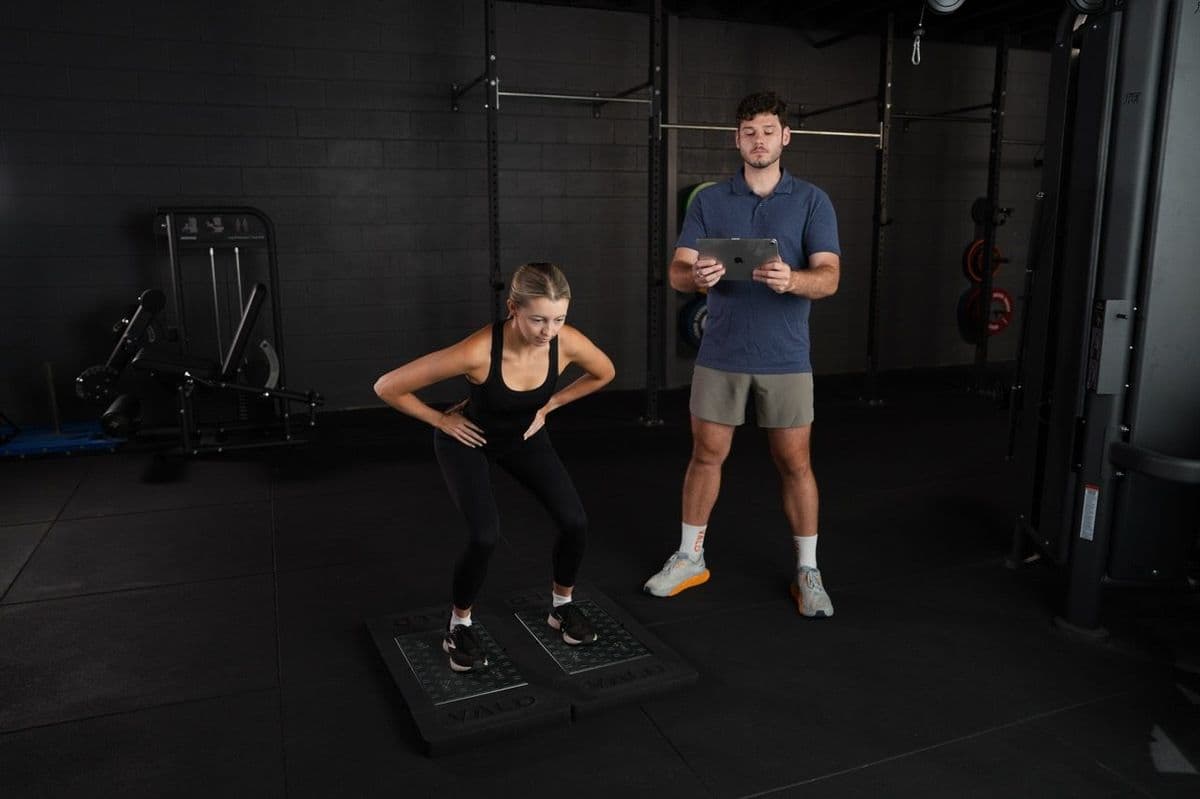
Move Physiotherapy knee assessment

Running Knee Pain Assessment

Know what's actually driving your runner's knee

Clinical assessment and objective VALD testing to identify the specific contributors in your presentation — and build a plan around them.

Book an Assessment →

Short-term pain relief — keeping running while you fix the problem

Most runners with patellofemoral pain do not need to stop running entirely. The goal in the short term is to reduce the load on the patellofemoral joint to a level the tissue can currently tolerate — so training can continue while the underlying causes are addressed in parallel.

Reduce and modify load — not eliminate it

A meaningful reduction in weekly volume — typically 20–40% — while maintaining frequency is the most reliable short-term intervention. Avoiding back-to-back running days, removing hill running and speed work temporarily, and replacing some runs with lower-impact cross-training (cycling, swimming) reduces the cumulative stress on the joint without deconditionioning the runner.

Increase running cadence

A 5–10% increase in running cadence — taking more steps per minute at the same pace — reduces peak patellofemoral joint stress by shortening stride length and reducing the knee flexion angle at loading.3 This is one of the most immediately actionable gait modifications for anterior knee pain and can be implemented within a single run using a metronome app. Find your current cadence, add 5–10%, and run to that beat for the first few weeks.

Patellar taping

McConnell taping — a technique that applies a rigid tape to medially glide or tilt the patella — has consistent evidence for short-term pain reduction during running and exercise in PFPS.7 It is not a treatment in itself, but it can reduce pain enough to allow better quality loading during rehabilitation. A physiotherapist can apply the correct technique and show you how to do it yourself between sessions.

Isometric quadriceps loading

Sustained isometric quadriceps contractions — wall sits held at a comfortable angle, or leg press isometrics — have analgesic effects in patellofemoral pain, reducing pain both immediately after and for up to 45 minutes post-exercise.4 Five sets of 30–45 second holds at moderate intensity (5–7/10 effort) before a run can meaningfully reduce pain during that session. This is not a long-term fix, but it buys the window to train and do the work that actually is.

The real fix — addressing the underlying cause

Pain relief strategies buy time. They do not change the tissue capacity, the strength deficit, or the biomechanical pattern that produced the problem in the first place. The evidence for long-term resolution of PFPS is built on two pillars: hip and knee strengthening, combined with addressing the specific drivers identified in clinical assessment.

Hip strengthening — the most important long-term intervention

A 2018 systematic review and meta-analysis found that combined hip and knee strengthening was significantly more effective than knee strengthening alone for reducing pain and improving function in PFPS at short, medium, and long-term follow-up.6 The hip abductors and external rotators — gluteus medius, gluteus maximus, piriformis — are the primary targets. When these muscles can control femoral position during single-leg loading, the knee tracks more accurately and patellofemoral stress reduces.

The exercise selection matters more than the exercise name. What is needed is hip loading that is heavy enough and specific enough to the positions used in running. Clamshells done with a light band have their place early in rehabilitation — but staying there indefinitely will not produce the strength adaptations needed to change how the hip behaves at 160+ steps per minute under body weight. Progressive single-leg loading — Bulgarian split squats, single-leg Romanian deadlifts, step-downs — is where the long-term gains are made.

Quad strengthening with specific VMO attention

Progressive quadriceps loading — initially at a comfortable range and intensity, progressing toward heavier single-leg work — builds the tissue capacity to absorb patellofemoral load and reduces pain over time.5 Terminal knee extensions and wall sits specifically target the VMO through the final degrees of extension where it is most active.

Running gait retraining

Where gait analysis identifies specific contributors — excessive pelvic drop, increased hip internal rotation, excessive crossover pattern — targeted gait retraining with real-time feedback produces meaningful and durable reductions in patellofemoral pain.3 This is not about changing your running style arbitrarily — it is about addressing the specific mechanical pattern contributing to overload in your case.

Graduated return to full load

Full resolution of PFPS requires not just strength gains but the progressive restoration of load tolerance — rebuilding the patellofemoral joint's capacity to handle training volume without pain. This means returning mileage, hills, and speed work gradually, using pain response as the guide (green light criteria: 0–3/10 during and fully settled within 24 hours after). Rushing this phase is the most common reason PFPS keeps coming back despite doing the "right" exercises.

The takeaway

Runner's knee is not one injury with one cause and one fix. It is a load tolerance problem with multiple contributors — and the runners who resolve it are the ones who identify their specific combination, address the drivers rather than just the pain, and progress load systematically rather than returning to full training the moment the acute pain settles.

The short-term strategies — load modification, cadence increase, taping, isometrics — are tools for staying on the road while you do the real work. The real work is building the hip and quad strength, and the movement quality, that the patellofemoral joint needs to handle your training load without failing. Done properly, most runners with PFPS are not just pain-free — they are running stronger than before the injury.

Daniel Ryan
Daniel Ryan
Senior Physiotherapist · Founder, Move Physiotherapy & Fitness

Masters of Physiotherapy, University of South Australia. Founded Move Physiotherapy in 2018 across Beeliar, Booragoon and East Fremantle.

References

  1. Crossley KM, Stefanik JJ, Selfe J, et al. 2016 Patellofemoral pain consensus statement from the 4th International Patellofemoral Pain Research Retreat. Br J Sports Med. 2016;50(14):839–843.
  2. Rathleff MS, Rathleff CR, Crossley KM, Barton CJ. Is hip strength a risk factor for patellofemoral pain? A systematic review and meta-analysis. Br J Sports Med. 2014;48(14):1088.
  3. Neal BS, Barton CJ, Gallie R, O'Halloran P, Morrissey D. Runners with patellofemoral pain have altered biomechanics which targeted interventions can modify: a systematic review and meta-analysis. Gait Posture. 2016;45:69–82.
  4. Willy RW, Hoglund LT, Barton CJ, et al. Patellofemoral Pain: Clinical Practice Guidelines. J Orthop Sports Phys Ther. 2019;49(9):CPG1–CPG95.
  5. Lack S, Barton C, Sohan O, Crossley K, Morrissey D. Proximal muscle rehabilitation is effective for patellofemoral pain: a systematic review with meta-analysis. Br J Sports Med. 2015;49(21):1365–1376.
  6. Nascimento LR, Teixeira-Salmela LF, Souza RB, Resende RA. Hip and Knee Strengthening Is More Effective Than Knee Strengthening Alone for Reducing Pain and Improving Activity in Individuals With Patellofemoral Pain: A Systematic Review with Meta-analysis. J Orthop Sports Phys Ther. 2018;48(1):19–31.
  7. Barton CJ, Lack S, Hemmings S, Tufail S, Morrissey D. The 'Best Practice Guide to Conservative Management of Patellofemoral Pain': incorporating level 1 evidence with expert clinical reasoning. Br J Sports Med. 2015;49(14):923–934.
  8. Dye SF. The pathophysiology of patellofemoral pain: a tissue homeostasis perspective. Clin Orthop Relat Res. 2005;436:100–110.

Dealing with runner's knee?

Evidence-based running injury assessment across Beeliar, Booragoon and East Fremantle. New patients from $97.

Book OnlineMore Articles →