
HomeAbout
Services
General PhysiotherapySports PhysiotherapyExercise RehabilitationDry NeedlingRemedial Massage
FeesContact
Book OnlineCall 08 6113 8062
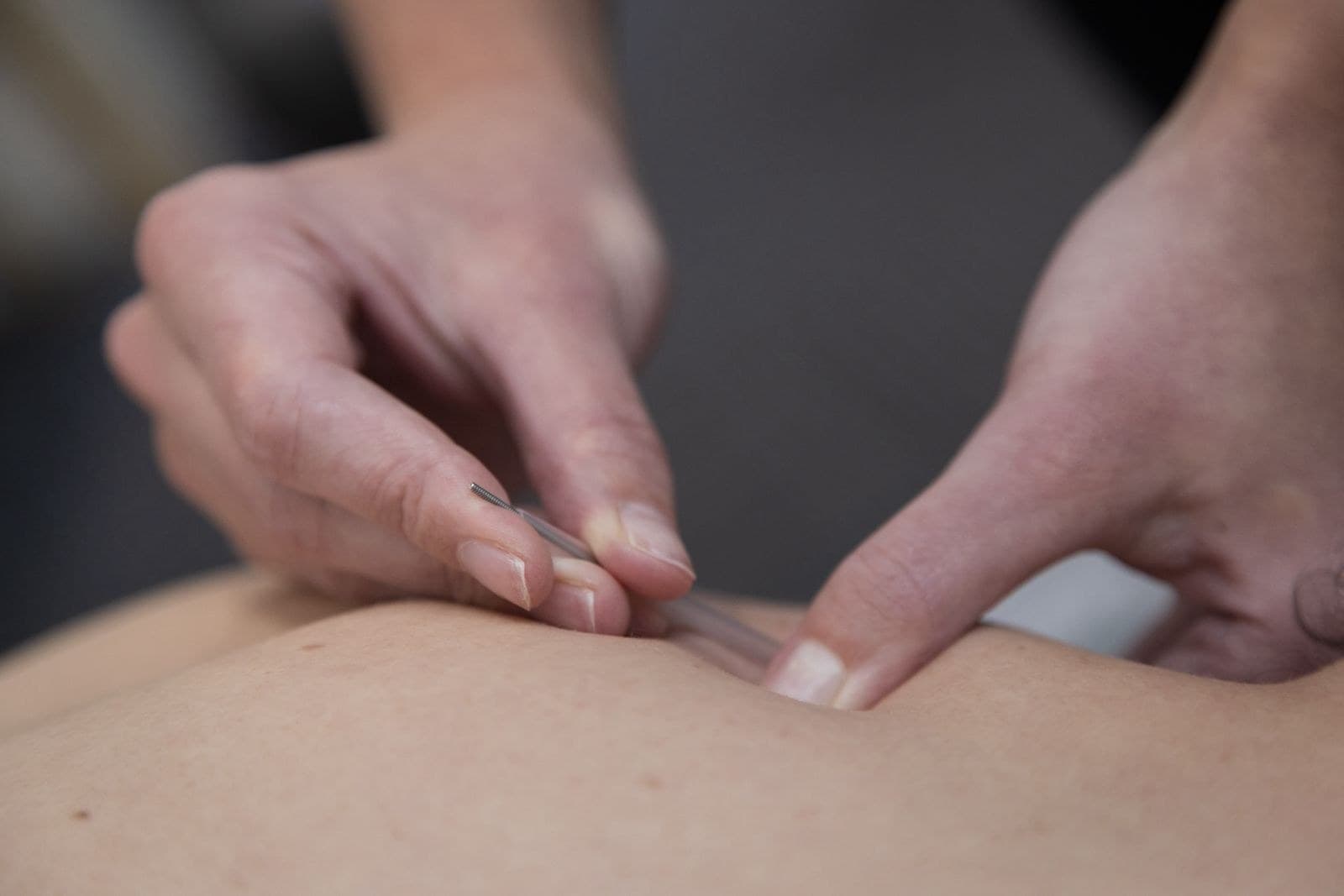
Dry needling treatment at Move Physiotherapy
Dry NeedlingManual TherapyEvidence-Based Practice

Dry Needling: Is It Really Just Useless Little Pricks?

Daniel Ryan
Daniel Ryan
Senior Physiotherapist · Founder, Move Physiotherapy
29 April 2026 · 8 min read

Dry needling divides people. Some patients swear by it. Others think it's expensive theatre — a placebo dressed up in clinical clothing. The honest answer, backed by the evidence, sits somewhere more specific than either camp tends to admit.

Here is what dry needling actually does, where the evidence supports it, where it falls short, and exactly how we use it at Move.

What dry needling actually is

Dry needling involves inserting a thin filiform needle — identical to an acupuncture needle — directly into a myofascial trigger point: a hyperirritable spot within a taut band of skeletal muscle that produces local tenderness and often a referred pain pattern when compressed or needled.1

The needle contains no medication — hence "dry." The mechanism is mechanical, not pharmacological. When the needle penetrates the trigger point, it provokes a local twitch response — an involuntary contraction of the taut muscle fibres — which is associated with a release of tension in that band and a reduction in the nociceptive (pain-signalling) activity in the area.5

It is important to distinguish dry needling from acupuncture. Acupuncture is a traditional Chinese medicine practice based on meridians and energy flow. Dry needling is a western, anatomically-based intervention targeting specific neuromuscular structures. They use the same needle — the theoretical framework is completely different.

What the evidence actually shows

The evidence base for dry needling is legitimate — but it is more specific than most clinicians or patients realise. The strongest evidence is for short-term pain reduction and improved pressure pain threshold in myofascial trigger point conditions, particularly in the upper quarter: neck, shoulder, and upper back pain.2,7

A 2017 systematic review and meta-analysis of 12 randomised controlled trials found that dry needling by physiotherapists was effective for reducing pain and improving function in musculoskeletal conditions — with moderate-to-large effect sizes at short-term follow-up compared to control interventions.4 A 2013 meta-analysis specific to upper quarter myofascial pain found significant improvements in pain intensity immediately post-treatment and at four weeks compared to sham needling.7

Where the evidence is strongest

  • Neck and shoulder myofascial pain — the most consistent evidence base
  • Upper back trigger points, including trapezius and levator scapulae
  • Short-term pain relief and improved range of motion
  • Reducing local muscle tension and pressure pain threshold
  • As an adjunct to active rehabilitation — not as a standalone treatment

Where the evidence is weaker

  • Long-term outcomes — effects at 3–6 months are less consistent across studies
  • Structural injuries (tendons, joints, ligaments) — dry needling does not repair these
  • Lower limb conditions — evidence base is smaller and less robust than upper quarter
  • As a standalone treatment for complex or loading-related injuries

Why it works — the physiology

When a needle penetrates a trigger point and elicits a local twitch response, several things happen at a tissue level. The involuntary contraction followed by relaxation of the taut muscle fibres disrupts the dysfunctional motor endplate activity that perpetuates the trigger point. Local circulation improves — trigger points are associated with low oxygen tension and high concentrations of inflammatory mediators, and the needling response helps to flush and normalise the local chemical environment.5

At a central level, needling stimulates the release of endogenous opioids and activates descending pain inhibition pathways — similar to other forms of manual therapy and exercise. This is partly why the effect isn't purely local and why some patients report broader pain relief beyond the specific area treated.6

The net effect is a meaningful reduction in local muscle tension, improved range of motion, and a window of reduced pain sensitivity. That window is the clinical opportunity — and what you do with it determines whether the treatment is worthwhile or not.
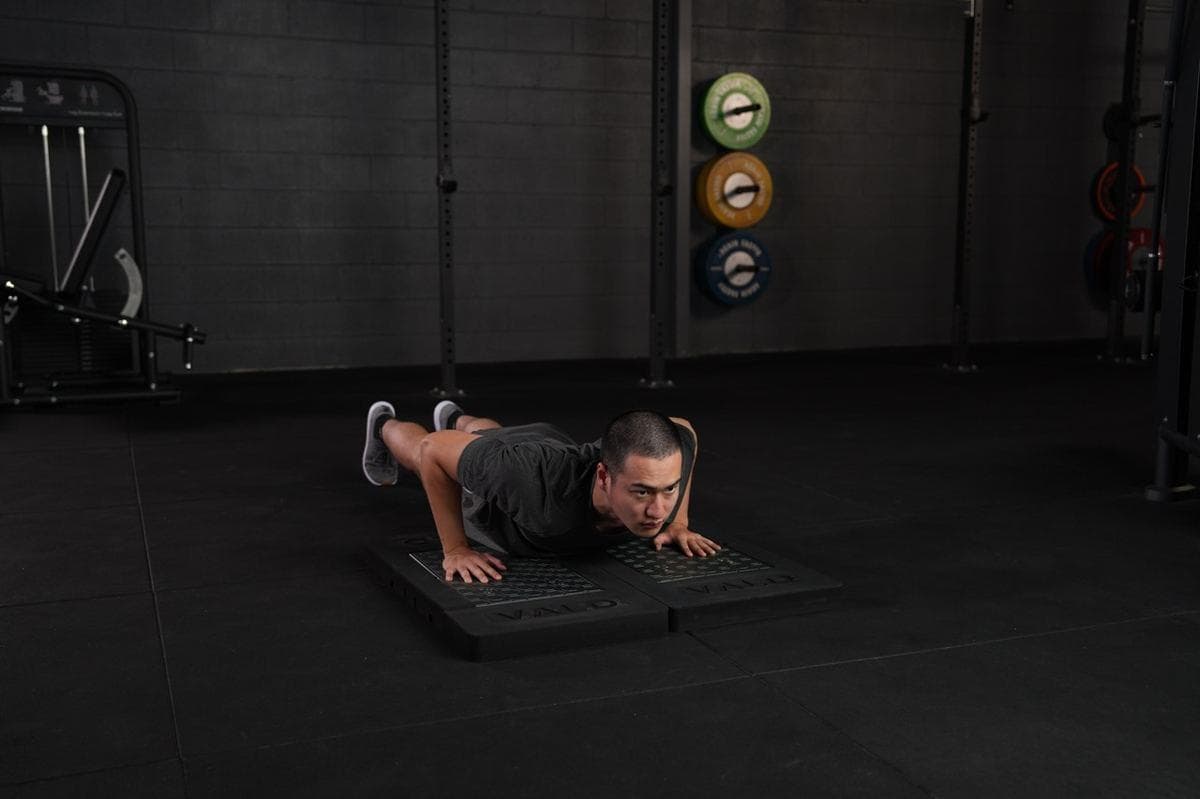
Move Physiotherapy rehabilitation

Move Physiotherapy

Wondering if dry needling is right for you?

Our physiotherapists will assess whether dry needling is appropriate for your presentation — and how it fits within your overall rehabilitation plan.

Book an Assessment →

The real problem with how dry needling is used

The evidence supports dry needling as an adjunct — a tool used alongside active rehabilitation, not instead of it. This is where the clinical criticism of dry needling is entirely justified, and where many practitioners get it wrong.

Needling a sore trapezius week after week, without any structured loading or movement work, is the same category of error as ongoing massage or ongoing manipulation: you are repeatedly treating the output of a problem without addressing the input. The muscle is tense for a reason. The trigger point keeps coming back because nothing has changed about the demand being placed on that tissue.

This is not a criticism of the tool — it is a criticism of how it is often deployed. A window of reduced pain and improved range of motion is a genuine clinical opportunity. The question is whether your physiotherapist uses that window to load the tissue, build capacity, and address the underlying driver — or simply books you in for another session next week.

How we use it at Move

At Move, dry needling earns its place within a session when it serves a specific purpose within a broader rehabilitation plan. In practice this means two things need to be true before we reach for the needles.

First, the trigger point is actually limiting the quality of loading we can achieve in that session — reducing range of motion, causing guarding, or producing pain that prevents the patient from completing the exercise work they need to do. Second, the plan for after the needling is clear: we are going to use the window it creates to load the tissue better than we could without it.

Used that way — as the opener for a clinical session rather than the entire session — dry needling is genuinely useful. The patient feels the difference in what they can access during the exercise work that follows, and over time the trigger points become less reactive as the tissue capacity improves.

Used as a standalone indefinite treatment for a recurring problem, it is maintenance — not rehabilitation.

The honest verdict

No — dry needling is not useless. The evidence for pain reduction and improved function in myofascial trigger point conditions is real, and the physiological mechanisms are well-described. It is a legitimate clinical tool.

But its value is entirely conditional on context. Passive treatment creates the opportunity. Active rehabilitation takes it. If you are receiving dry needling regularly without a clear loading and rehabilitation program alongside it, you are not being treated — you are being managed. There is an important difference between the two.

The best use of dry needling is a session where the needling happens in the first fifteen minutes and the remaining forty-five are spent doing things you could not have done as effectively without it. If that description matches your experience, the pricks are earning their place. If not, it is worth asking why.

Daniel Ryan
Daniel Ryan
Senior Physiotherapist · Founder, Move Physiotherapy & Fitness

Masters of Physiotherapy, University of South Australia. Founded Move Physiotherapy in 2018 across Beeliar, Booragoon and East Fremantle.

References

  1. Dommerholt J, Fernández-de-las-Peñas C. Trigger Point Dry Needling: An Evidence and Clinical-Based Approach. Churchill Livingstone; 2013.
  2. Liu L, Huang QM, Liu QG, et al. Effectiveness of dry needling for myofascial trigger points associated with neck and shoulder pain: a systematic review and meta-analysis. Arch Phys Med Rehabil. 2015;96(5):944–955.
  3. Tough EA, White AR, Cummings TM, Richards SH, Campbell JL. Acupuncture and dry needling in the management of myofascial trigger point pain: a systematic review and meta-analysis of randomised controlled trials. Eur J Pain. 2009;13(1):3–10.
  4. Gattie E, Cleland JA, Snodgrass S. The Effectiveness of Trigger Point Dry Needling for Musculoskeletal Conditions by Physical Therapists: A Systematic Review and Meta-analysis. J Orthop Sports Phys Ther. 2017;47(3):133–149.
  5. Cagnie B, Dewitte V, Barbe T, Timmermans F, Delrue N, Meeus M. Physiologic effects of dry needling. Curr Pain Headache Rep. 2013;17(8):348.
  6. Dommerholt J. Dry needling — peripheral and central considerations. J Man Manip Ther. 2011;19(4):223–227.
  7. Kietrys DM, Palombaro KM, Azzaretto E, et al. Effectiveness of dry needling for upper-quarter myofascial pain: a systematic review and meta-analysis. J Orthop Sports Phys Ther. 2013;43(9):620–634.

Ready for rehabilitation that actually works?

Evidence-based physiotherapy across Beeliar, Booragoon and East Fremantle. New patients from $97.

Book OnlineMore Articles →